|
|
|

|
Rabbi Joshua Rabin Cantor Emeritus George Lindenblatt
Judaism With Open Arms |
|
|
Friday Flyer |
February 9, 2024 • 30 Shevat, 5784 |
|
|
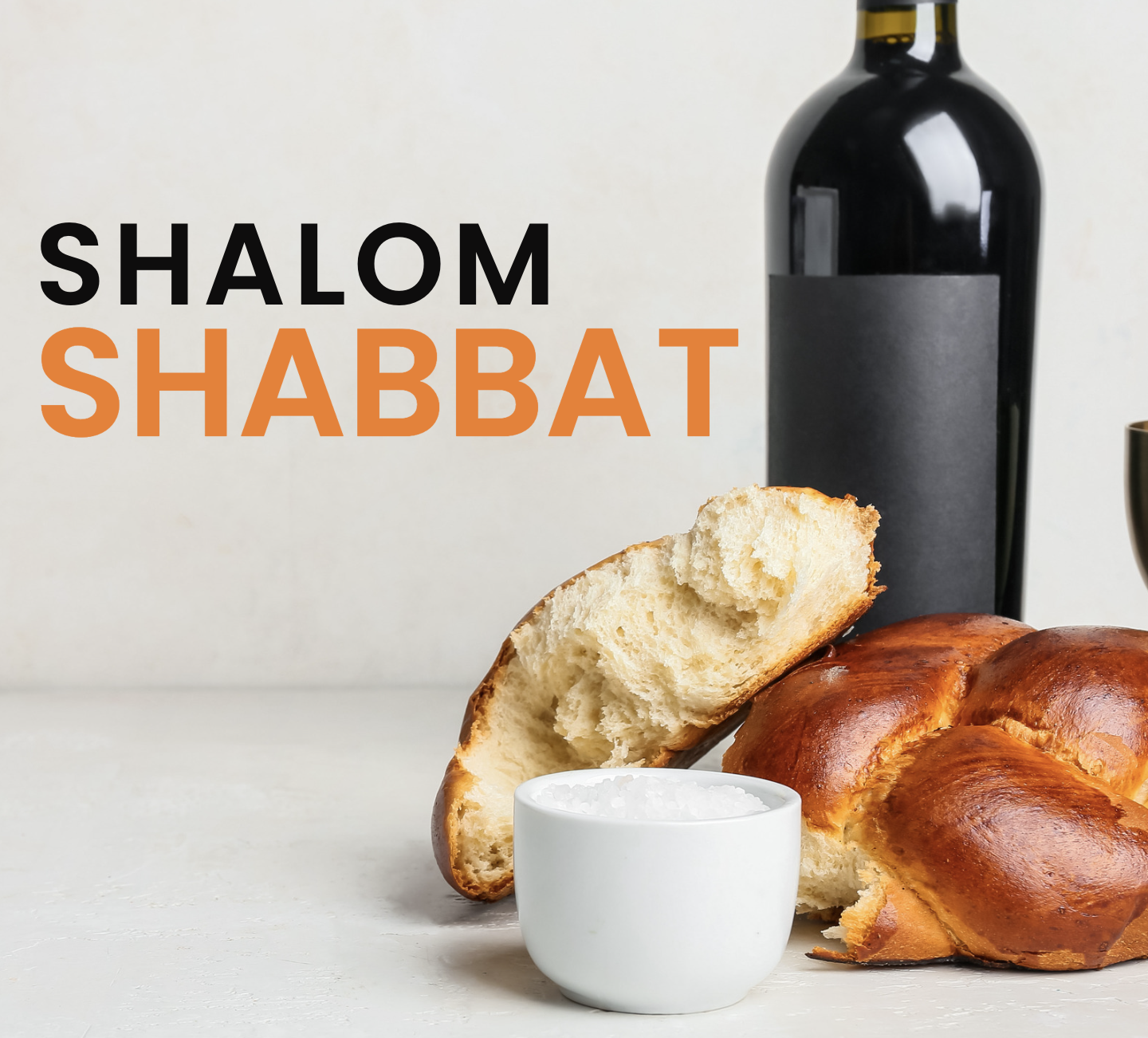
TONIGHT: “Shalom Shabbat” Kabbalat Services |
|
Join Rabbi Josh and the ACI community tonight, February 9, from 7-8:30 for our inaugural “Shalom Shabbat” Kabbalat Shabbat services, followed by an Oneg (refreshments) in the Social Hall.
If it's been awhile since you've come to services at ACI, or if you're new to the community and want to check us out, this is a great opportunity. We invite first-time visitors to optionally RSVP here if you‘d like to be greeted and have someone show you around. |
|
Shabbat Services |
|
Saturday, February 10 at 10am Doors open at 9:45; come early to schmooze! Please join us afterwards for a potluck Kiddush |
|
|
Upcoming Children’s Programs |
|
Tot Shabbat With Morah Shana 11:00am-12:00pm For preschool children
Junior Congregation With Morah Audrey 10:30-11:30am For school-aged children
|
|
|
Candle Lighting |
|
Tonight's candle lighting time is 5:05 pm. Havdalah will be Saturday at 6:06 pm. The weekly Torah portion is Mishpatim. |
|

Shabbat Across America on Friday, March 1 |
|
On Friday night, March 1, 2024, hundreds of synagogues across the continent will take part in a historic national Jewish event to celebrate what unifies all Jews — Shabbat!
Catering by Ben’s Kosher Deli of Bayside; both vegetarian and meat options available. Dinner Ticket – $30
Schedule of Events 6:00 PM – Opening activities (kid-friendly) |
|

|

Join ACI for the Super Bowl |
|
Come join your friends at ACI to watch Super Bowl LVIII on February 11th!! We will have alcoholic and non-alcoholic beverages and popcorn available, but feel free to bring snacks to share!
Come anytime after 6pm and stay for as long or as little as you want. Families welcome! |
Movie Night at ACI |
|
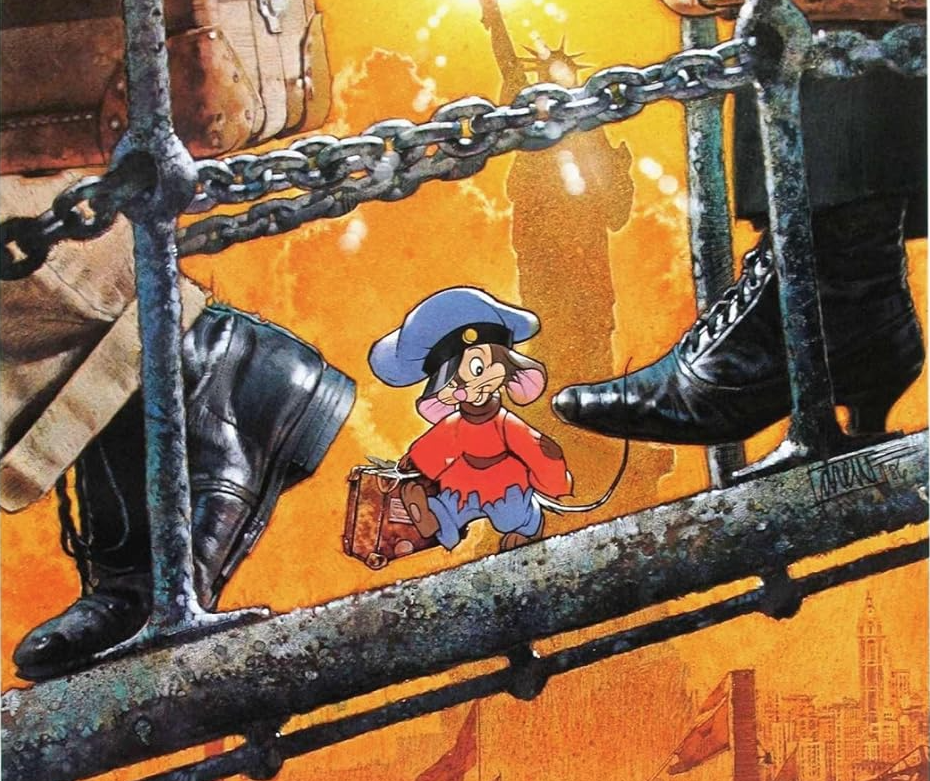
Brighten a dark winter night by coming out for a movie at ACI! We'll be screening the nostalgic animated classic An American Tail on Saturday night, February 24 starting at 6:15pm. Join us as we make havdalah together, followed by the movie and refreshments! |
|
|
Blood Drive on March 10 |
|
The New York Blood Center will be at ACI on Sunday, March 10 from 10:30 am to 4:30 pm. Make an appointment now to save a life! |
This Week In Hebrew School |
|
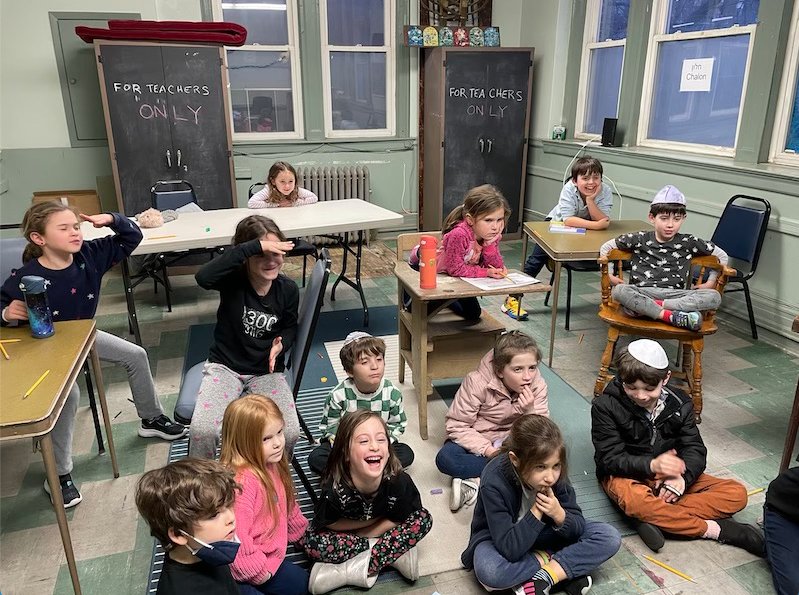
This week in Judaic studies, we continued the unit on Shabbat and talked about the beautiful traditions and customs we practice with our families. We demonstrated how we set the Shabbat table, light the candles after making the appropriate blessing, make kiddush on the wine, and make motzi on the challah after the ritual hand washing. Students learned why we make a blessing on 2 challot instead of one, why we dip our challah in salt, and why we cover the challah while blessing the wine.
When asked how they would beautify the Shabbat meal they celebrate with their own families, students came up with a variety of ideas, like adorning the table with flowers, using white tablecloths, baking their own challah, and saying the blessings.
In Art & Music, students in each class started to assemble their own Shabbat box. They kicked off the activity by personalizing their own unique challah cover. While working independently, students were introduced to four different versions of the iconic Friday evening liturgical song called L’cha Dodi, composed by the 16th century Kabbalist Shlomo Ha-levi Alkabetz, whose name appears as an acrostic with the first letter of the first eight stanzas spelling the author's name. In the song, we welcome Shabbat as if greeting a bride. Although there are hundreds of versions, you can listen to the four that we studied in class here.
In Hebrew language class, Kitah Bet and Gimmel students went around the room and took turns demonstrating their ability to read words from the Sarah and David books and learned some words associated with Shabbat. Kitah Aleph students continued making progress in their activity books and practiced writing the letters at their own pace. We finished our class by watching an entertaining yet educational Israeli video about a store vendor who sells only objects starting with the letter Aleph. |
|
Messages |
|
In memory of my mother Anna Mickel, from Susan Mickel |
|
|
|
In memory of my grandmother Rebecca Krasno, from Susan Mickel |
|
|
|
In memory of my grandmother Ida Mickel, from Susan Mickel |
|
|
|
In memory of my aunt Bella Mickel, from Susan Mickel |
|
|
|
In memory of Sylvia Steinberg, from Ellen Beloff |
|
|
|
In memory of my mother Ethel Steiger, from Richard Steiger |
|
|
Mi Sheiberach |
|
Please keep the following people in your hearts and prayers for the blessing of r'fua sh'leima:
Mindy Zimmerman Baila Toba Ben Yonah Chia Minna Bas Asna Menachem Mendel Yonah Ben Beila V'Yaakov Reynah Rosendorf Andrew Alper Shalom Ben Haim Heddy Bat Evelyn Rachel bat Eleaonora Joel Tarlowe Aaron Vajda Zalman Mordechai Aaron ben Yehudit Adina bat Guta Shashanna Bat Toda Sarah Chanah Bat Ziesel V’ Dov Berel HaLevi Gary Lefkowitz Eric Laxman Dov Meir Ben Avraham V’ Dvora Hacohen Michael Stoess Pessah Ruchel Bat Dina Tzvi Hersh Bar Esther Faith Braunschweig Hersh ben Pearl Chana Zev ben Binyamin Phylis bat Pauline v. Walter Solomon David
To add (or remove) a name, please contact Lizanne Fluxmon. |
|

Yahrzeit |
|
This week (1 - 6 Adar I), we observe the yahrzeits of the following ACI members, family and friends. May their memories always be a blessing.
Samuel W. Aron Rebecca Goldenthal Joseph A. Leichter Isaac Silver Rachel Sater Barnet Richman Yetty Tuttman 1st day of Rosh Hodesh Louis Michalofsky Max Schwartz Charlotte Saslow Ethel Steiger Mollie Fruchter Jennie Schnee Fred Stern Jacob Gang Regina Young Morris Kaplan Reba K. Newman Jenny Wegner Rebecca Wahl Bella Mickel Rebecca Krasno Dr. Jacob Feinberg Manfred Malsch Anna Wasserman Freda Wax Louis Brettschneider Balbinna Levy Ann Schawelson Blanche Jackson Joan L. Huttner Nisonoff Morris M. Mushlin Rebecca Rosenbaum Dr. Paul Strasser Dr. Herman Altman Annie Friedman Barnet Polsky |
|


|
|