|
|
|

|
Rabbi Joshua Rabin Cantor Emeritus George Lindenblatt
Judaism With Open Arms |
|
|
Friday Flyer |
January 17, 2025 • 17 Tevet, 5785 |
|
|
|
Upcoming Shabbat Events at ACI |
|
Potluck Kiddush
January 25th
Join us for a potluck Kiddush after services! No contribution of food is required, but if you can, please bring a Kosher dairy/pareve dish to share (sign up here).
|
|
|
|
Ezra Gershon's Bar Mitzvah
February 1st
Celebrate Ezra's milestone with the ACI community! Be sure to join us afterwards for a Kiddush luncheon in the social hall.
|
|
|
|
Open Door Shabbat
February 15th
Dig more deeply into the meaning and history of the Shabbat service, with a meditation service from 10-10:30 and a learning service from 10:30-12pm.
|
Shabbat Services |
|
Saturday, January 18 at 10am
Tot Shabbat From 10:30-11:30am Doors open at 9:45; come early to schmooze. Join us afterwards for a light Kiddush. |
|
|
Upcoming Children’s Programs |
|
Tot Shabbat 10:30-11:30am For preschool children
Upcoming dates:
Junior Congregation 10:30-11:30am For school-aged children
Upcoming dates:
|
|
|
Candle Lighting |
|
Shabbat Tonight's candle lighting time is 4:38 pm. The weekly Torah portion is Shemot.
Havdalah will be Saturday at 5:41 pm. |
|

|
Do You Have Construction Experience? We Need You! |
|
ACI is seeking a volunteer with construction experience to assist and advise on upcoming renovation projects. Please write to [email protected] by January 31 if you are interested. |
|
Film Shoot at ACI |
|
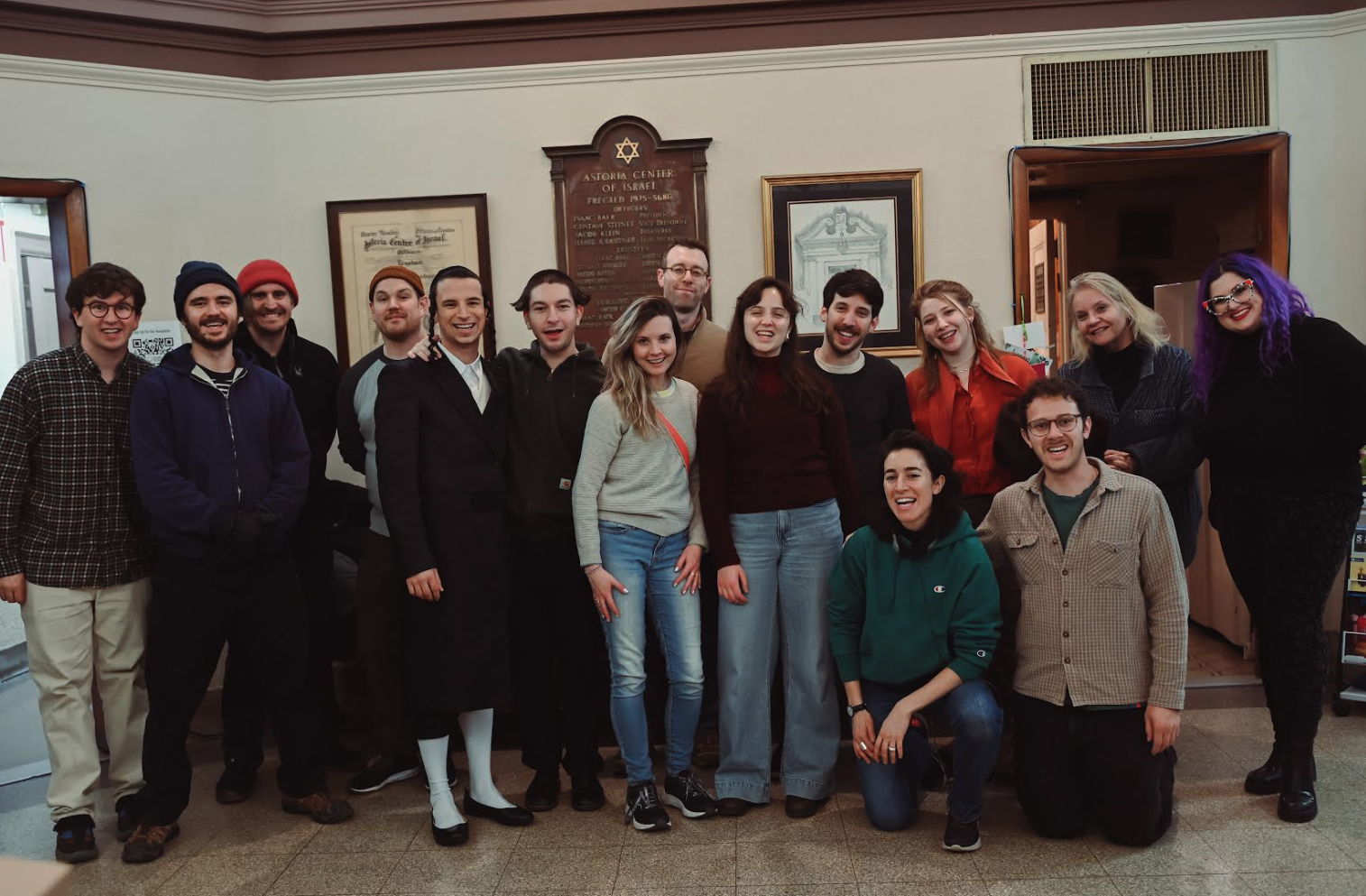
We were pleased to host the filming of the short film "Faye" at ACI this past weekend. Many thanks to Joanna for coordinating, and to Joanna, Ariel, and Ari for supervising. ACI is open to further opportunities to host events and film/photo shoots; please contact Joanna Muenz for more information! |
|
|
Open Door Shabbat Calendar |
|
Our Open Door Shabbat services are back once a month! Upcoming dates are:
What is Open Door Shabbat?
Shabbat morning is the best time for Jews to come together, and the WORST time to feel out of place in synagogue.
Join the ACI once a month for a no-experience-necessary Shabbat service, where we will explore the:
At 10:00, there will be a brief meditation service, and at 10:30 we will start the learning service.
If you have any questions, contact Rabbi Josh at [email protected]. |
|
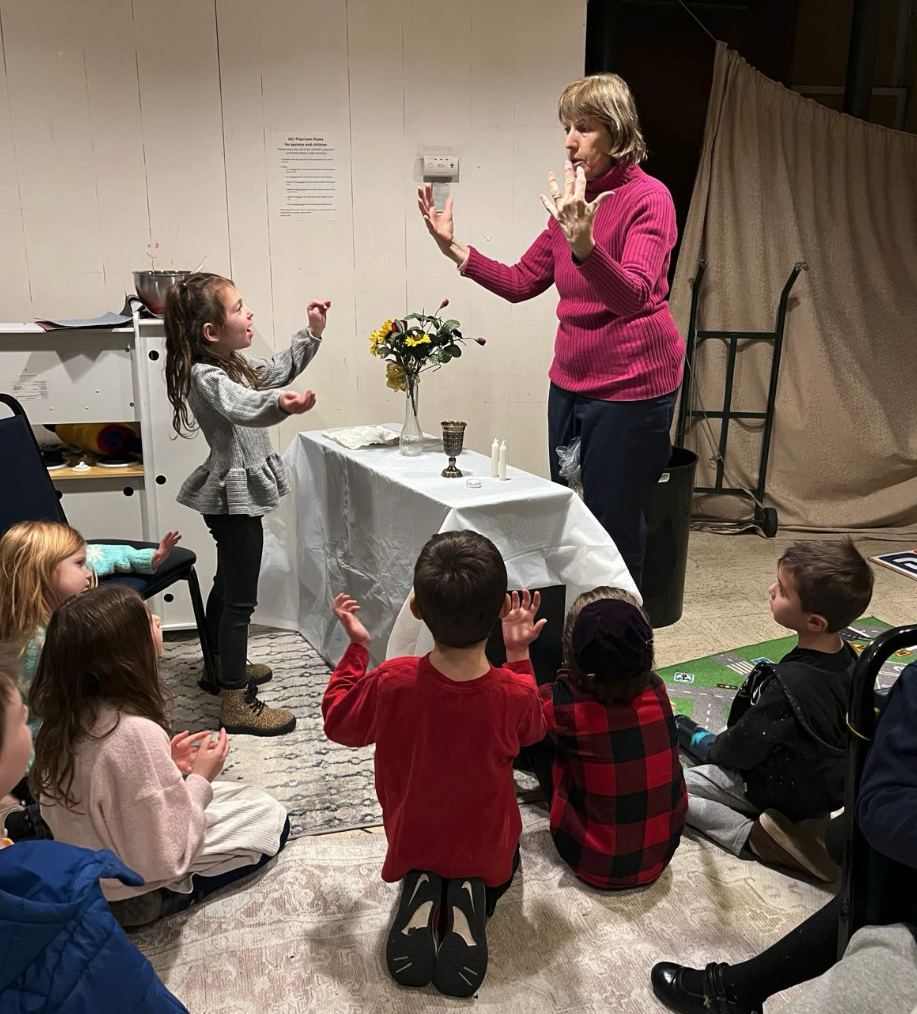
This Week in Hebrew School |
|
|
|
|
Pastoral Requests |
|
ACI is committed to serving our community’s needs. If you would like to add a name to our Mi Sheberach list, inform the synagogue about a hospital visit or death, or request pastoral care for yourself or someone you know, please fill out this simple form. All submissions are confidential. |
|
Messages |
|
|
|
In memory of Shirley Wigler, from Susan Mickel
|
|
|
|
In memory of my beloved friend Lillian Polstein, from Rose Scher
|
|
|
|
In memory of my beloved uncle, Rabbi Franklin Cohn, from Susan Cohn
|
|
|
|
In memory of my cherished mother, Sarah Scher, from Rose Scher
|
|
|
|
In memory of my beloved mother, Sally Myers, from Paul Meyers
|
|
|
Mi Sheberachs |
|
Please keep the following people in your hearts and prayers for the blessing of r'fua sh'leima:
Mindy Zimmerman Menachem Mendel Rachel bat Eleaonora Adina bat Guta Shlomo ben Eleonora Zev Ben Moshe Z'ev Ben Batya V'Avram
To add (or remove) a name, please contact Lizanne Fluxmon. |
Yahrzeits |
|
This week (18-24 Tevet), we observe the yahrzeits of the following ACI members, family and friends. May their memories always be a blessing.
Sarah Gafter
Risa Hirschler David Shraberg Moses Mendel Leon Flatow Dr. Joseph Kosowsky Leib Hammer Irving Nadel Claire Reisman Rae Wilson Anna Bernstein Pearl Holtzman Betsy Gottlieb Marion Stransky Max Tobias Selwyn Stanley Mischel Jacob Frankel Moses Friedman Fanny Kaplan Julius E. Leichter Maurice Meyers Rosalind Moss Shirley Wigler Libbie Goldstein Paul M. Kronowitz Minnie Leichter Samuel Ziesk Harold Kahn Samuel Leinwol Louis Scher Rose Aptakn Jeanette Bronstein Bernard Weinbaum Ida Neckin NM Lena Schechter Dr. Mandel Weinstein |
|

|


|
|